Bone Graft and Sinus Lift
At our practice in Konyaaltı, Antalya, planning for a bone graft or sinus lift starts with a thorough examination and, when needed, a 3D CT scan. We assess the height and width of your jawbone and its relation to the sinus to plan the bone volume needed for the implant. Our aim is to make sure the implant is placed on a solid foundation even when there is not enough bone.
 Spec. Dt. Seçil Sümengen Yazıcı
What Is a Bone Graft?
A bone graft is a surgical procedure to increase the volume of a jawbone that does not have enough bone for an implant. Graft material is placed where bone is missing and is usually covered with a protective membrane. Over time the material is replaced by the patient’s own bone, creating a solid base for the implant.
Why Does the Jawbone Shrink?
- When the area is left empty for a long time after a tooth is extracted
- In advanced gum disease
- After many years of wearing a removable denture
- After trauma, a cyst or an infection
Bone loss is fastest in the first months after a tooth is extracted. So if you are considering an implant, planning early often means a smaller graft is needed.
Graft Materials
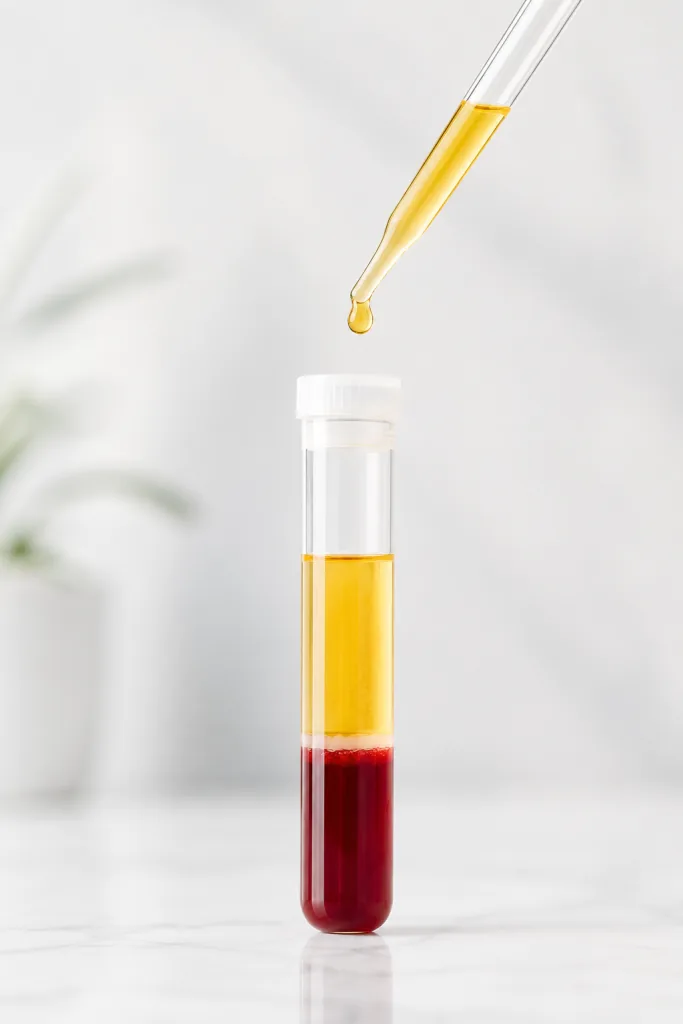
The graft can be the patient’s own bone, processed bone of animal origin or synthetic material. Which material is used depends on how much bone is missing and where. When needed, healing can be supported with PRF obtained from the patient’s own blood.
What Is a Sinus Lift?
In the back of the upper jaw, the sinus can expand downwards after teeth are lost, leaving too little bone height for an implant. In a sinus lift, the thin membrane lining the floor of the sinus is gently raised and graft material is placed underneath. This creates the bone height needed for the implant.
If only a little bone height is missing, the procedure is done with the closed technique through the implant site and is often completed in the same session as the implant. If more bone is missing, the open technique is preferred, in which a small window is made in the side wall.
The Process and Healing
Bone grafts and sinus lifts are mostly carried out under local anaesthesia. If the bone gives enough support, the implant can be placed in the same session. Otherwise we wait for the graft to turn into bone and place the implant later. This takes a few months, depending on the procedure and the size of the graft.
Bone grafting and sinus lifts require expertise in oral and maxillofacial surgery. At our practice, planning and surgery are carried out personally by Dr. Seçil D. Sümengen Yazıcı. When bone loss is very severe, zygomatic implants or subperiosteal implants are also considered.
Aftercare: What to Pay Attention To
- Apply cold compresses to the outside of your face at intervals for the first 48 hours.
- After a sinus lift, do not blow your nose forcefully for the first weeks and keep your mouth open when you sneeze.
- Ask your clinician about flying, diving and heavy exercise during healing.
- Smoking reduces the success of the graft, so it should be avoided during healing.
- Take the medication provided regularly and do not miss your check-ups.
Content: Dr. Seçil D. Sümengen Yazıcı, Oral and Maxillofacial Surgeon · Last updated: 29 September 2026
Bone Graft and Sinus Lift: Frequently Asked Questions
Can’t find your answer? Call us or message us on WhatsApp.
Ask on WhatsAppDoes every implant need a bone graft?
No. If there is enough bone, the implant is placed directly. A graft is only planned when the height or width of the bone is insufficient.
Can the implant be placed in the same session?
If the bone gives enough support to hold the implant steady, the graft and implant can be done in the same session. Otherwise we wait for the graft to heal.
How long does it take for the graft to turn into bone?
It takes a few months, depending on the procedure and the size of the graft. We assess the exact time with CT scans and check-ups.
Is a sinus lift painful?
Because the procedure is done under local anaesthesia, you usually feel no pain during it. Any swelling and sensitivity in the following days is controlled with medication.
Will my body reject the graft?
The graft materials used are compatible with the body and rejection is not expected. Rarely, problems such as infection can occur, which is why following the aftercare advice is important.
What should I pay attention to after a sinus lift?
For the first weeks, do not blow your nose forcefully, keep your mouth open when you sneeze and avoid activities that cause pressure changes.
Does smoking affect graft success?
Yes. Smoking reduces blood flow, slows the graft turning into bone and increases the risk of failure.
Are there other options if there is very little bone?
When bone loss in the upper jaw is very severe, zygomatic implants and, in some cases, subperiosteal implants can be considered as options that do not require a graft.
Treatments You May Be Interested In
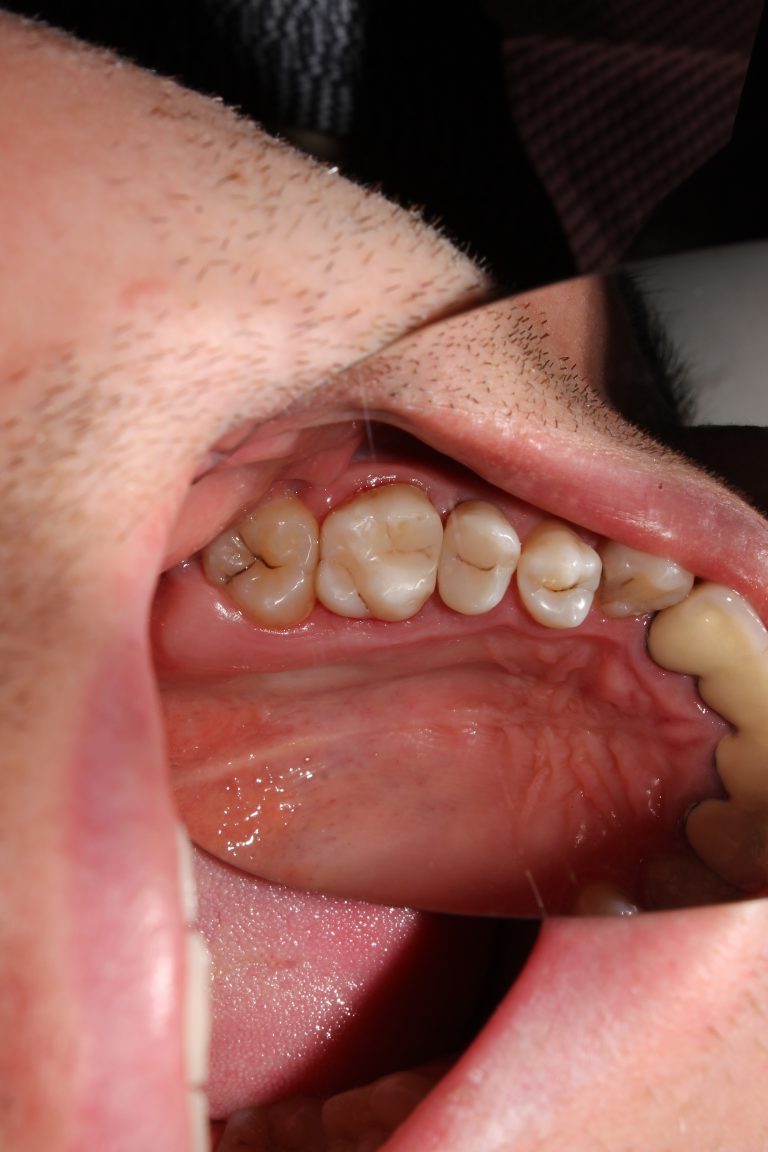
Wisdom and Impacted Tooth Extraction
Wisdom and impacted teeth are planned and removed by an oral and maxillofacial surgeon.
Learn more →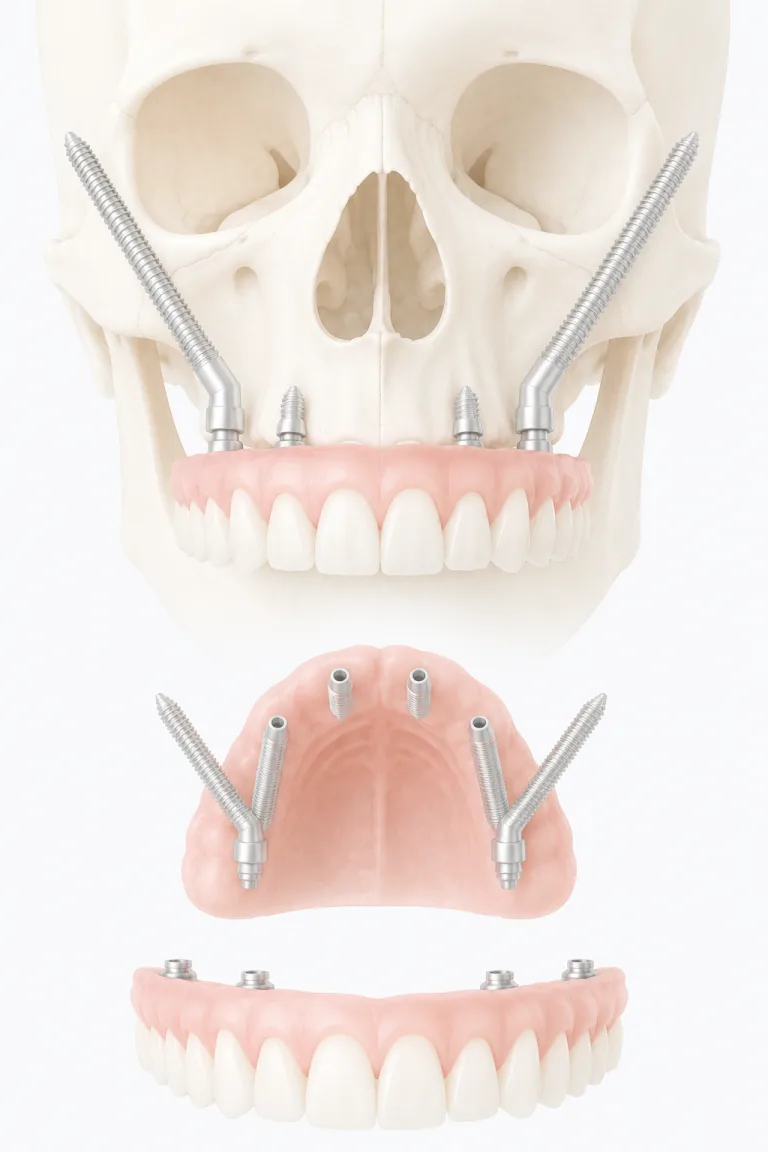
Zygomatic Implant
Fixed teeth anchored in the cheekbone when the upper jaw lacks bone.
Learn more →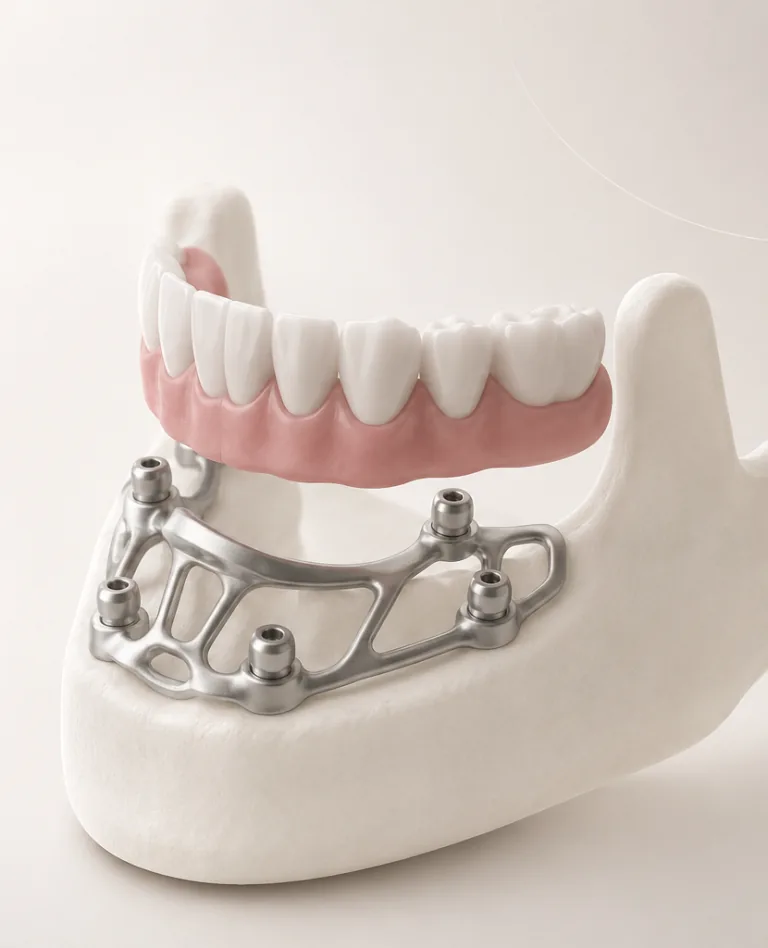
Subperiosteal Implant
A custom implant that sits on the jawbone when bone volume is insufficient.
Learn more →