
Implant Treatment
At our practice in Konyaaltı, Antalya, implant treatment starts with a thorough examination and a panoramic X-ray, with 3D imaging when needed. After assessing your bone structure and overall oral health, we prepare a treatment plan tailored to you. Once the implant is placed, we wait for it to fuse with the bone, and then the permanent tooth is fitted.
 Spec. Dt. Seçil Sümengen Yazıcı
What Is a Dental Implant?
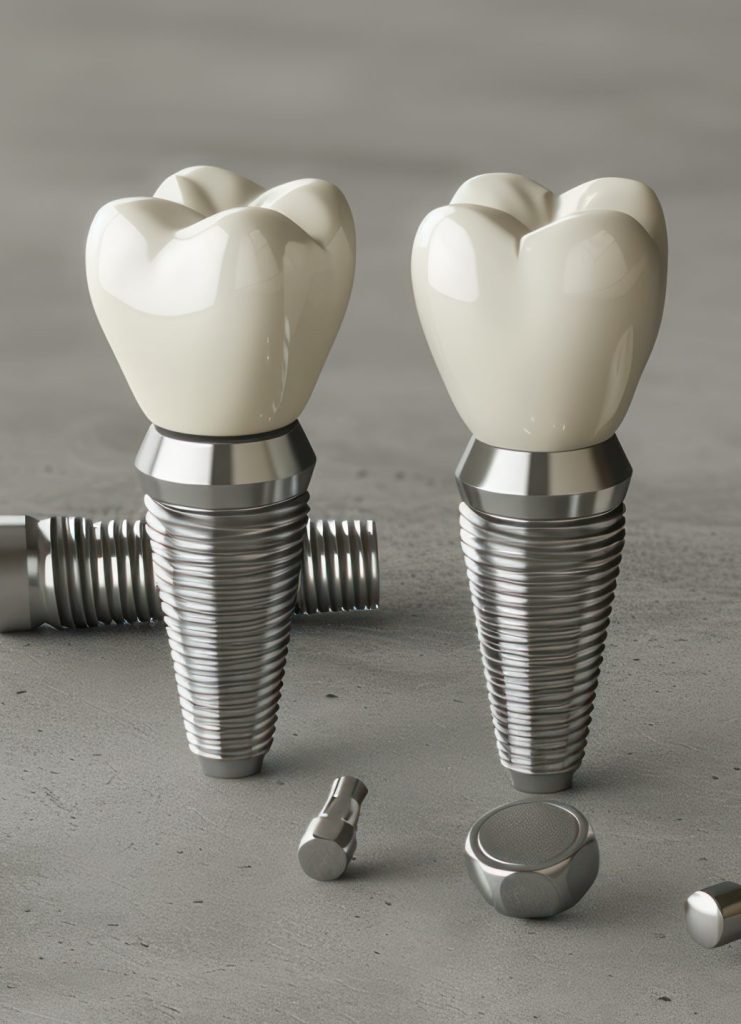
A dental implant is a titanium screw that replaces the root of a missing tooth and is placed in the jawbone. Once it has fused with the bone, a permanent tooth is made on top of it, and this tooth passes chewing forces directly to the bone just like a natural tooth. Unlike a bridge, the neighbouring teeth do not need to be cut down, and unlike a removable denture, it stays fixed in the mouth.
At our practice in Konyaaltı, Antalya, implant planning and surgery are carried out personally by oral and maxillofacial surgeon Dr. Seçil D. Sümengen Yazıcı. This means the same clinician follows every step, from surgery to the fitting of your permanent teeth.
Who Is It Suitable For?
Almost anyone whose jaw has finished growing and whose general health allows surgery can have implants. Implants are especially preferred in the following situations:
- When a single tooth is missing and the neighbouring teeth are healthy
- When several teeth are missing and a bridge is not wanted
- When all teeth have been lost and fixed teeth are preferred to a removable denture
- When an existing denture is loose and needs better retention
Uncontrolled diabetes, heavy smoking, previous radiotherapy to the jaw area and certain medicines that affect bone metabolism, such as bisphosphonates and denosumab, can change the treatment plan. This is why we discuss your general health and the medicines you take in detail at the examination.
The Implant Process
1. Examination and Imaging
Treatment starts with a thorough oral examination and a panoramic X-ray. When we need a clear view of the bone height and width and its distance to structures such as nerves and the sinus, a 3D CT scan is also requested.
2. Digital Planning
We take a 3D record of your teeth with our iTero intraoral scanner and plan the position of the implant and the shape of the tooth on a computer. After reviewing the plan together on screen, we decide together how many implants are needed, how long treatment will take and what will be done at each stage.
3. Placing the Implant
Implants are placed in the jawbone under local anaesthesia. For a single implant the procedure is usually short and you can return to your daily routine the same day. There may be mild swelling and sensitivity for the first few days, which is controlled with the medication provided and cold compresses.
4. Fusion with the Bone (Osseointegration)
For the implant to hold firmly, it must fuse with the jawbone. This takes between 2 and 6 months, depending on the area where the implant is placed and on any additional procedures such as a bone graft or sinus lift. During this period a temporary tooth is used in visible areas, and we monitor your healing closely with regular check-ups.
5. Fitting the Permanent Teeth
Once fusion is complete, a new digital impression is taken and the permanent tooth is made, usually in zirconium or porcelain. Its colour and shape are chosen to match your neighbouring teeth and the proportions of your face.
What If There Is Not Enough Bone?
When a tooth has been missing for a long time, the jawbone gradually shrinks and there may not be enough volume for an implant. In that case the bone can be rebuilt with a bone graft. In the upper back area, if the sinus sits too close to the bone, a sinus lift creates room for the implant. These procedures are often carried out in the same session as the implant, and sometimes a few months beforehand.
If bone loss in the upper jaw is severe, zygomatic implants anchored in the cheekbone or custom-made subperiosteal implants may be considered. These advanced surgical techniques require expertise in oral and maxillofacial surgery.
Single Tooth, Several Teeth or a Full Arch
A single missing tooth needs one implant with a crown on top. If several teeth in a row are missing, a bridge can be planned on two implants instead of placing one implant per tooth. When all the teeth in a jaw are missing, a fixed arch of teeth is made on four or six implants. In suitable cases, temporary fixed teeth can be fitted on the day of surgery or within 24–48 hours. This decision depends on bone quality and how firmly the implant holds at placement.
Aesthetic and Natural Appearance
- The tooth is designed to match your natural tooth colour and shape.
- It blends with the gum line, so it does not look artificial.
- It supports your facial aesthetics and lip support.
- It lets light through like a natural tooth, giving a lifelike shine.
- If the implant is in the front of the mouth, it is planned together with smile design for a result tailored to you.
A Long-Lasting and Safe Solution
With the right care and regular check-ups, implants can be used without problems for many years. One of their important advantages is that they are placed without touching the neighbouring teeth.
An implant fuses with the jawbone to form a solid foundation, is placed without harming the neighbouring teeth and, because it does not move, feels fixed and secure.
Aftercare: What to Pay Attention To
- On the first day, avoid hot food and drinks and choose soft, lukewarm foods.
- Apply cold compresses to the outside of your face at intervals for the first 48 hours.
- Smoking slows fusion with the bone, so it is best stopped during healing.
- Use the recommended mouthwash and medication regularly. You can gently brush the teeth outside the treated area with a soft brush from the first day.
- Once the permanent teeth are fitted, clean around the implant every day with floss or an interdental brush.
- Come for a check-up at least once a year. The long life of an implant depends largely on these regular check-ups.
Content: Dr. Seçil D. Sümengen Yazıcı, Oral and Maxillofacial Surgeon · Last updated: 29 September 2026
Implant Treatment: Frequently Asked Questions
Can’t find your answer? Call us or message us on WhatsApp.
Ask on WhatsAppHow long do implants last?
With good oral hygiene and a check-up at least once a year, implants can be used safely for many years. The permanent tooth on top may wear over time and can be renewed when needed without touching the implant.
Is implant treatment safe?
With the right patient selection and planning by a specialist, implant treatment is a safe method with a high success rate. Your general health, the medicines you take and your bone structure are assessed together at the examination.
How long does implant treatment take in total?
The implant is placed in a single session. Fusion with the bone takes between 2 and 6 months, depending on the area where the implant is placed and on any additional procedures such as a bone graft or sinus lift. We give you a clear overall timeline after the examination and X-rays.
Does it hurt when the implant is placed?
Because the procedure is done under local anaesthesia, you usually feel no pain during it, only some pressure. Any sensitivity and swelling in the following days is controlled with the medication provided and cold compresses.
Can I have implants if I do not have enough bone?
In most cases, yes. Bone volume can be increased with a bone graft, and in the upper jaw a sinus lift can create room for the implant. When bone loss is severe, zygomatic or subperiosteal implants may also be considered.
Do diabetes or smoking affect implants?
Well-controlled diabetes is generally not an obstacle to implants, but your blood sugar levels need to be stable. Smoking slows fusion with the bone and increases the risk of inflammation around the implant, so we recommend stopping during healing.
Can teeth be fitted on the same day?
If bone quality is good and the implant holds firmly at placement, temporary fixed teeth can be fitted on the same day or within 24–48 hours, especially in full-arch treatments. The permanent teeth are made once fusion with the bone is complete.
Is there an age limit for implants?
The lower limit is the completion of jaw growth, which is usually around the age of 18. We assess whether jaw growth is complete with an examination and X-rays. There is no upper age limit, and older patients in suitable general health can also have implants.
Treatments You May Be Interested In
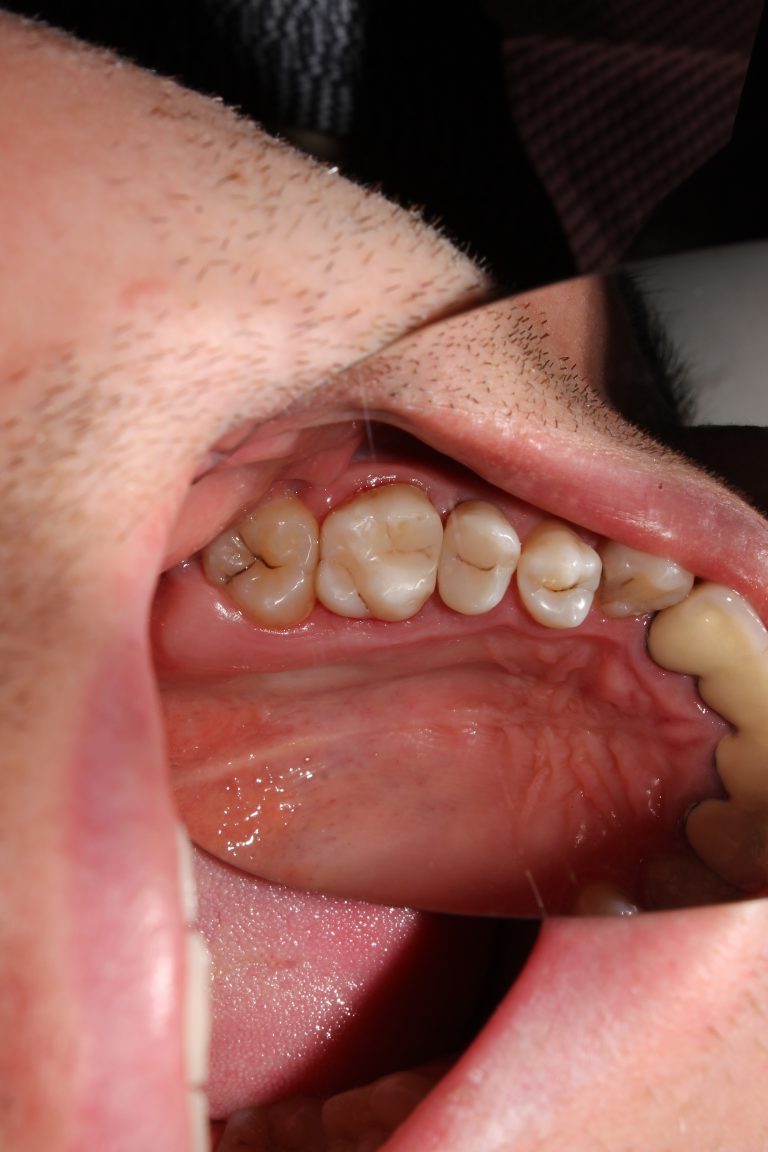
Wisdom and Impacted Tooth Extraction
Wisdom and impacted teeth are planned and removed by an oral and maxillofacial surgeon.
Learn more →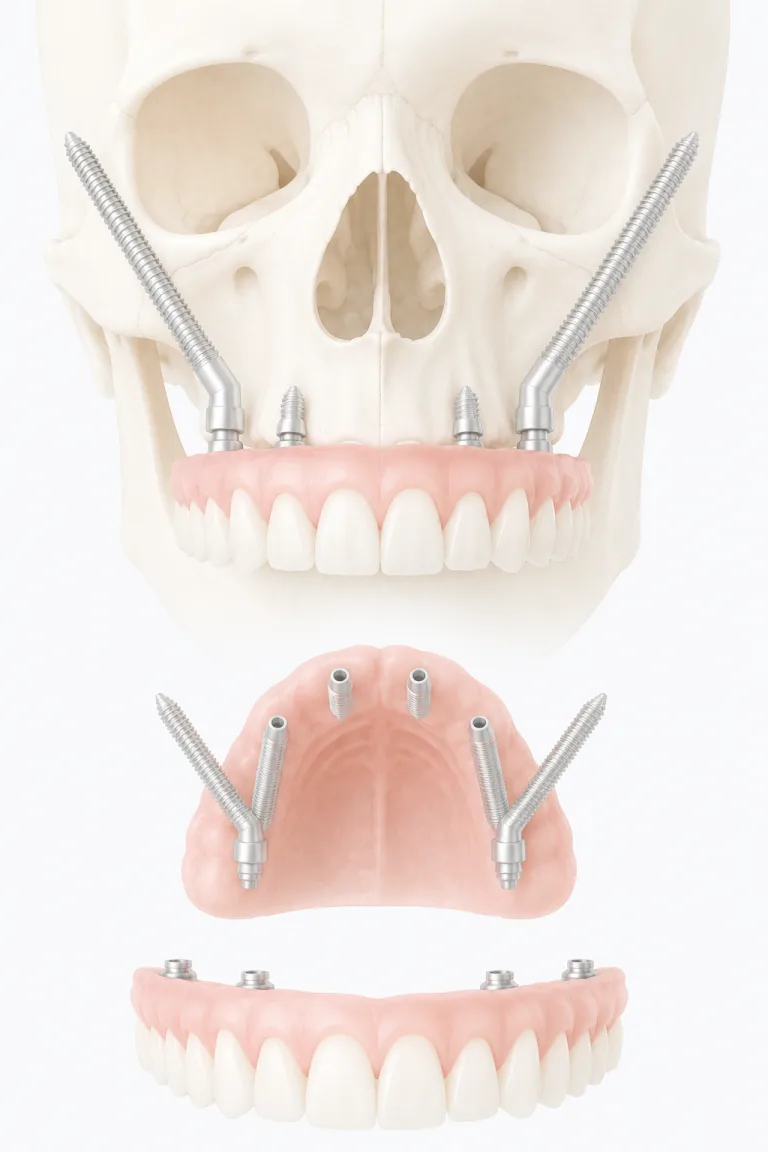
Zygomatic Implant
Fixed teeth anchored in the cheekbone when the upper jaw lacks bone.
Learn more →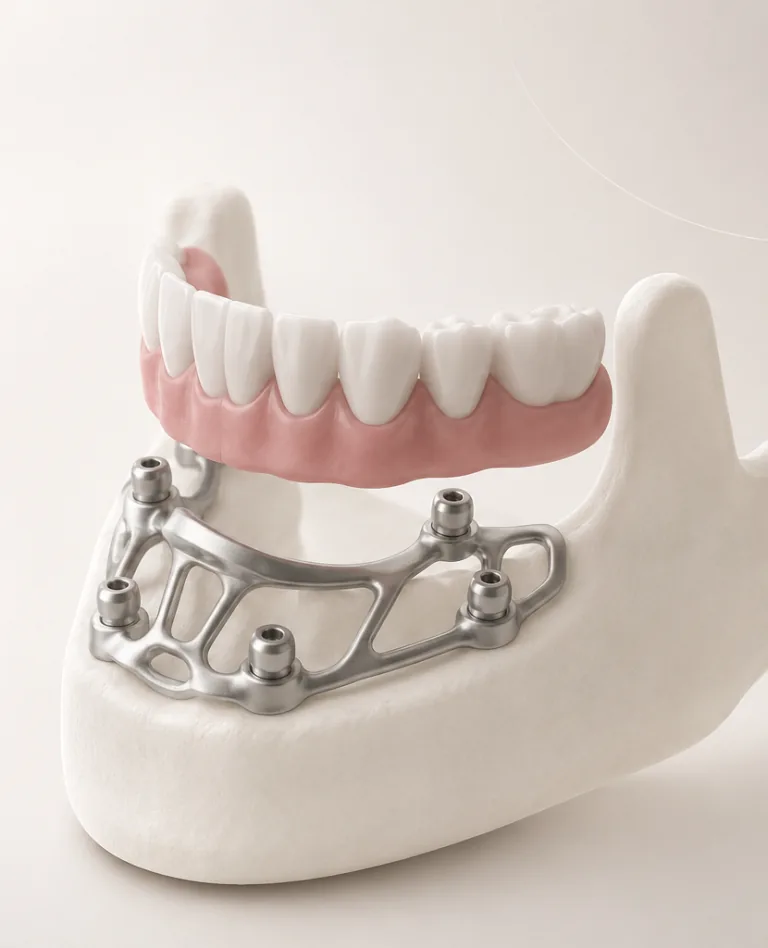
Subperiosteal Implant
A custom implant that sits on the jawbone when bone volume is insufficient.
Learn more →