
Orthognathic Surgery
At our practice in Konyaaltı, Antalya, planning for orthognathic surgery starts with a thorough examination, facial analysis and 3D imaging. We address bite and facial proportion problems caused by the position of the upper or lower jaw with a joint plan prepared together with the orthodontist. Our aim is to correct both chewing and speaking function and facial balance together.
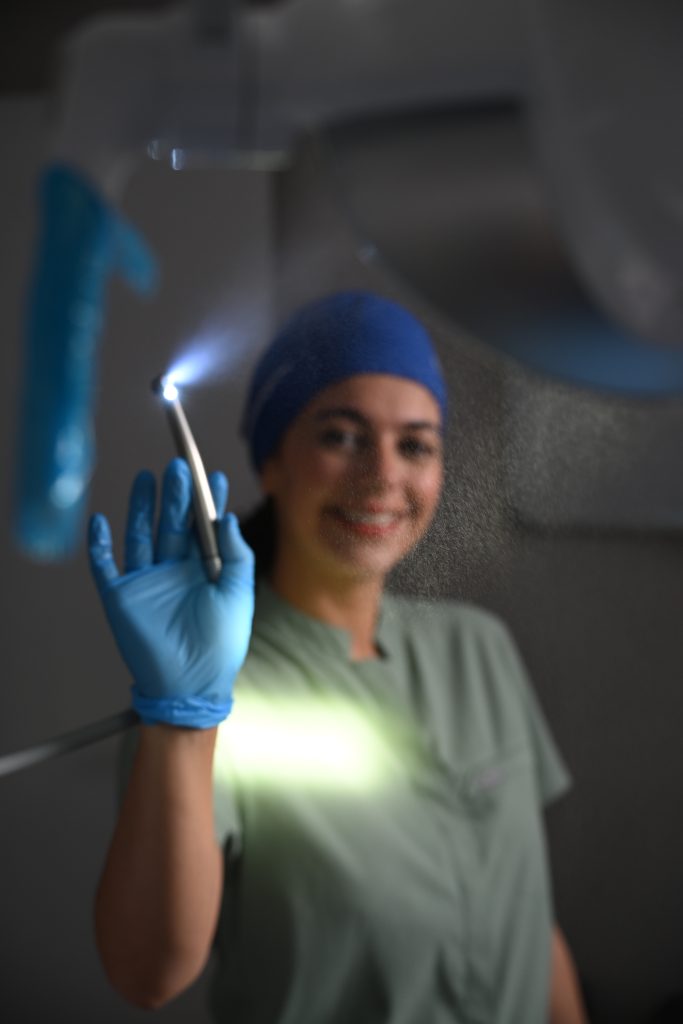 Spec. Dt. Seçil Sümengen Yazıcı
What Is Orthognathic Surgery?
Orthognathic surgery is jaw surgery that corrects problems caused by the upper and lower jaws being in the wrong position relative to each other and to the rest of the face. During the operation the jawbones are moved to their planned new positions and fixed with titanium plates and screws. This corrects the bite and balances the proportions of the face.
Problems with the alignment of the teeth can often be solved with braces. But if the cause lies in the jawbones themselves, orthodontics alone is not enough and orthognathic surgery is needed.
When Is It Needed?
- When the lower jaw is clearly too far forward or too far back
- In open bites, where the front teeth do not meet when the mouth is closed
- When there is clear asymmetry of the face and jaw
- When there is difficulty chewing, biting, speaking or closing the lips
- In bite problems that occur together with jaw joint complaints
The Treatment Process
1. Assessment and Planning
Treatment starts with a thorough examination, facial and intraoral photographs, a panoramic X-ray and, when needed, a 3D CT scan. The new position of the jaws is planned digitally together with the orthodontist.
2. Orthodontics Before Surgery
In most patients, braces are used before surgery to bring the teeth into the right position on the jaw. How long this stage takes depends on the condition of the teeth.
3. Surgery
Orthognathic surgery is carried out in hospital under general anaesthesia. Because the incisions are usually made inside the mouth, no visible scar is left on the face. The jawbones are moved to their planned position and fixed.
4. Recovery
There is facial swelling in the first weeks, and you will need a liquid or soft diet. The swelling goes down over time and bone healing is followed with regular check-ups.
5. Orthodontics After Surgery
Once the bone has healed, the final adjustments to the bite are made with braces and treatment is completed.
Why a Jaw Surgeon?
Orthognathic surgery is an advanced surgical procedure within the specialty of oral and maxillofacial surgery. Dr. Seçil D. Sümengen Yazıcı runs the planning together with the orthodontist and follows every stage of treatment. The result is a comprehensive plan that addresses both the bite and facial balance together.
Aftercare: What to Pay Attention To
- In the first days, apply cold compresses to the outside of your face at intervals and rest with your head raised.
- Follow the diet plan you are given and avoid hard foods for the first weeks.
- Keep your mouth clean regularly with the recommended mouthwash and a soft brush.
- Avoid smoking and alcohol, as they slow healing.
- Do not miss your check-ups and post-surgery orthodontic appointments.
Content: Dr. Seçil D. Sümengen Yazıcı, Oral and Maxillofacial Surgeon · Last updated: 29 September 2026
Orthognathic Surgery: Frequently Asked Questions
Can’t find your answer? Call us or message us on WhatsApp.
Ask on WhatsAppIs orthognathic surgery only done for aesthetics?
No. The main aim is to correct functions such as chewing, biting and speaking. Once the jaws are in the right position, the proportions of the face are naturally balanced too.
Will there be a scar on my face?
Because the incisions are usually made inside the mouth, no visible scar is left on the face.
Do I need braces?
Most patients need orthodontic treatment before and after surgery. This makes sure the teeth fit properly in the new jaw position.
Is the operation painful?
The operation is carried out under general anaesthesia. Pain and swelling afterwards are controlled with the medication provided and cold compresses.
How long is the hospital stay?
The hospital stay is usually a few days. It depends on the extent of the operation.
When can I return to work or school?
Most patients return to their daily routine within a few weeks. Heavy physical activity and contact sports need a longer wait.
At what age can it be done?
Orthognathic surgery is done once jaw growth is complete. We assess whether growth is complete with an examination and X-rays.
Is the result permanent?
Once the bones have healed in their new position, the result is permanent. It is important to wear any recommended retainers and attend check-ups after treatment.
Treatments You May Be Interested In
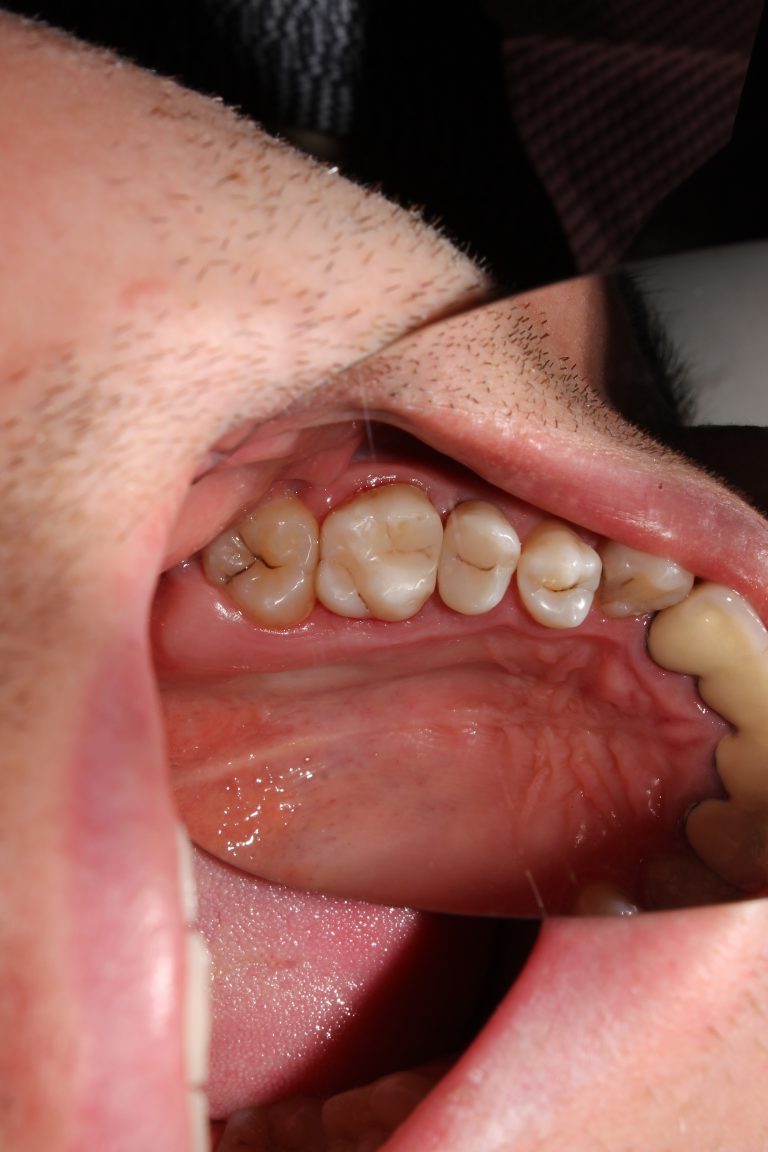
Wisdom and Impacted Tooth Extraction
Wisdom and impacted teeth are planned and removed by an oral and maxillofacial surgeon.
Learn more →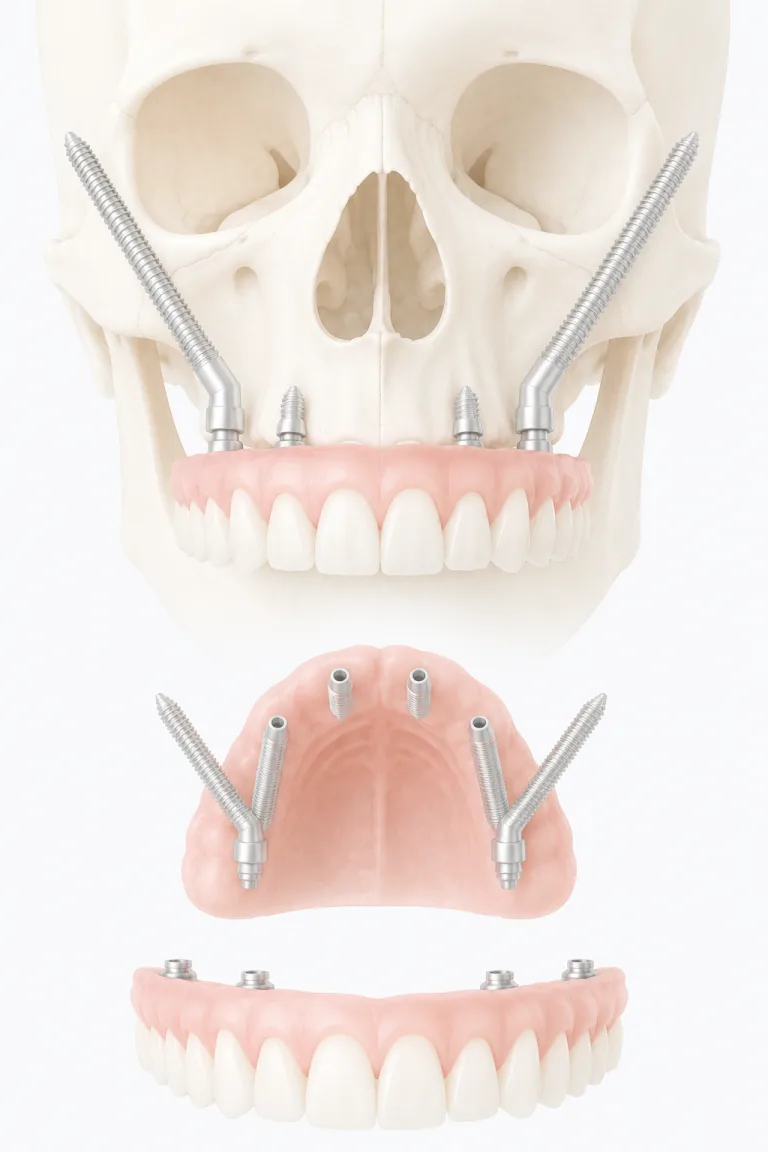
Zygomatic Implant
Fixed teeth anchored in the cheekbone when the upper jaw lacks bone.
Learn more →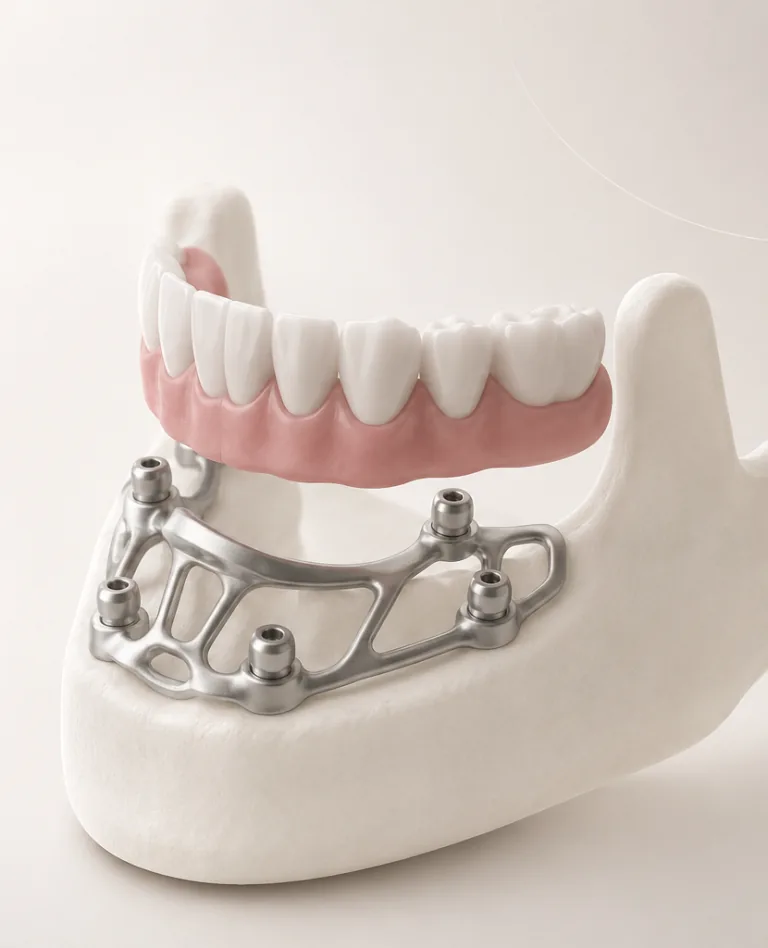
Subperiosteal Implant
A custom implant that sits on the jawbone when bone volume is insufficient.
Learn more →